Who this is for
If you are finishing GCE A/L in Sri Lanka, or already hold a bachelor's degree and are planning a master's, India is one of the shortest, most affordable English-medium study routes open to you. This page covers what actually differs for Sri Lankan applicants — the qualification route, entrance requirements, scholarships you are eligible for as a national of Sri Lanka, and the visa sequence.
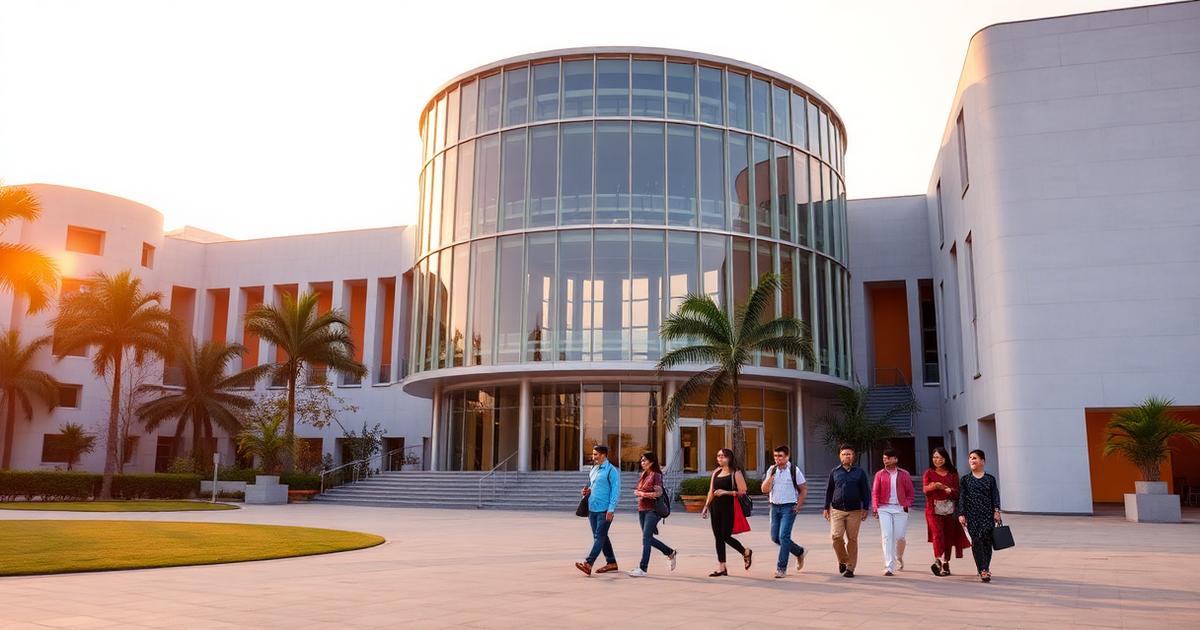
You can apply to two very different kinds of institution from here: established Indian universities, and the India campuses of foreign universities now operating under the UGC's foreign-university regulations. Our matchmaker screens both from a single profile.
Qualification and equivalence for Sri Lankan students
GCE Advanced Level results, whether local or London syllabus, are recognised for undergraduate admission in India. Because A/L subject combinations are narrow, check that your three subjects map onto the entry requirement for the specific programme — this is the most common reason a Sri Lankan application is queried.
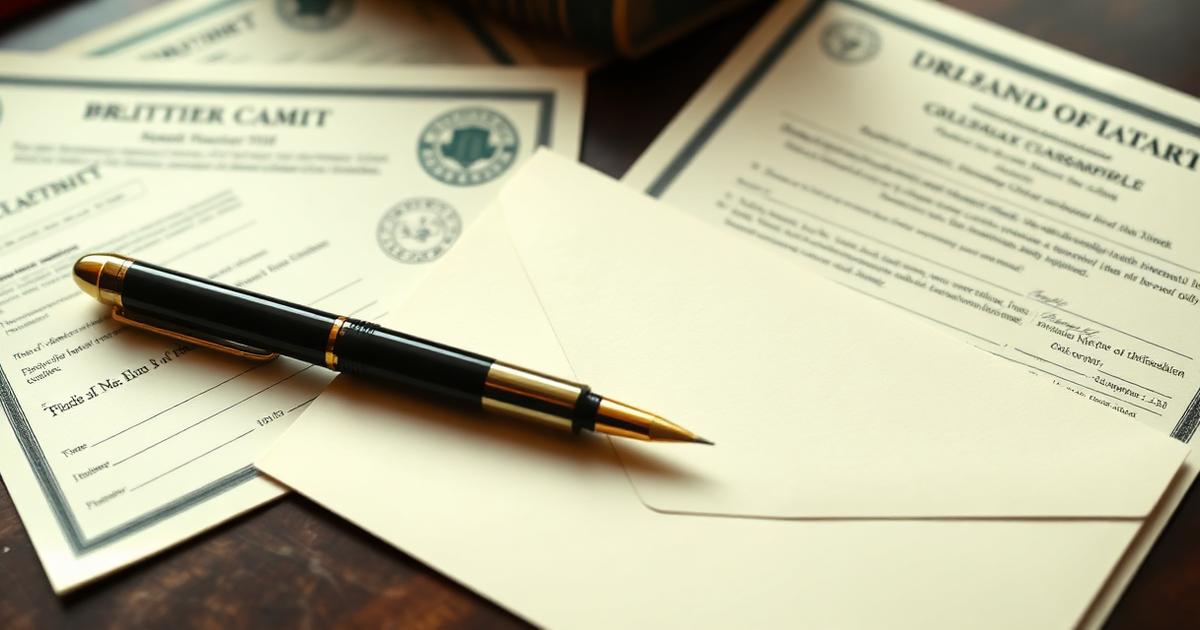
Indian universities accept most foreign school-leaving certificates directly, but many ask for an Association of Indian Universities (AIU) equivalence certificate before enrolment — especially for postgraduate entry. Prepare attested transcripts and certified English translations early; equivalence is the step that most often delays an otherwise complete file.
- Original and attested mark sheets for the last two years of schooling (or the full degree transcript for postgraduate entry)
- Certified English translation of anything not issued in English
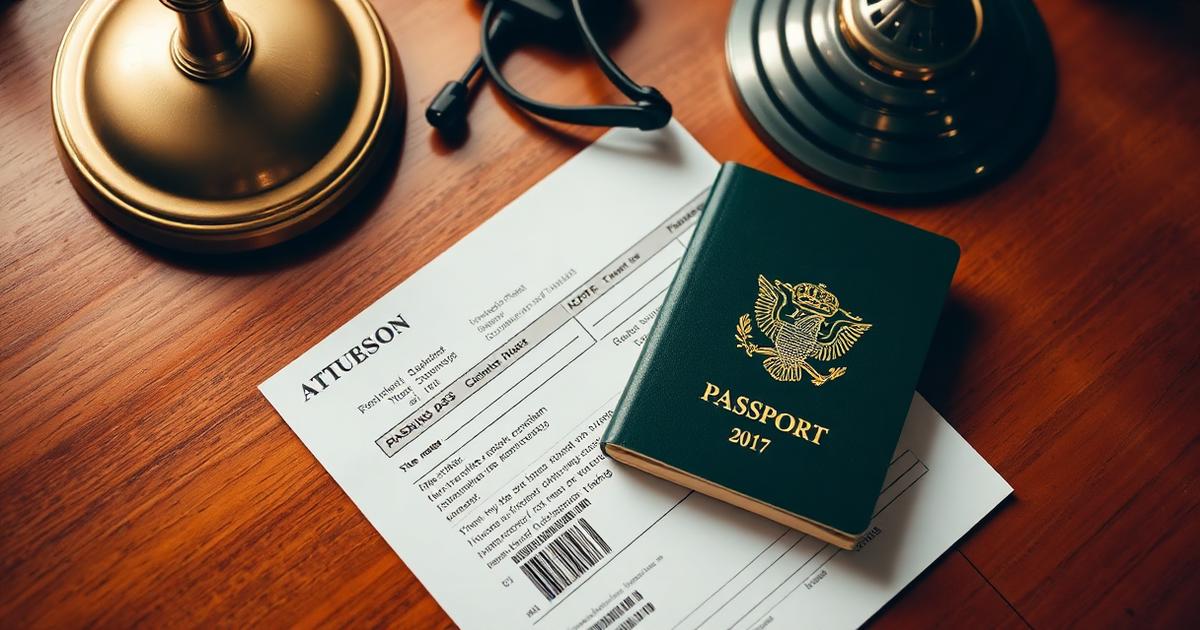
- Passport valid well beyond the expected course end date
- AIU equivalence certificate where the university or regulator requires one
Entrance requirements and admission routes
Many Indian universities admit international students through a direct international-admissions route rather than the domestic entrance exams, assessed on your school or degree results plus an interview. Regulated fields — medicine, dentistry, architecture, law and some engineering programmes — carry additional national requirements, so check the regulator's rule for the specific course before you pay any fee.
Engineering, IT, business, hospitality management, allied health and design attract the largest number of Sri Lankan applicants, largely because places at home are capped by the national university intake. Medicine and dentistry follow separate national rules in India.
Scholarships open to students from Sri Lanka
ICCR scholarship schemes for Sri Lankan nationals are administered through the High Commission of India in Colombo and its consulates, with tuition cover and a living stipend for selected candidates. India also runs long-running education cooperation programmes with Sri Lanka whose calls are published by the mission.
On top of nationality-based schemes, most universities run their own merit and need-based fee waivers for international students. These are decided by the institution, are usually applied at the offer stage, and are far easier to win than the national schemes because the applicant pool is small.
- ICCR scholarship schemes administered through the Indian mission in your country
- Study in India programme fee waivers at participating institutions
- University-level merit awards for international applicants
- Departmental assistantships at postgraduate and research level
Budget: tuition, living costs and money transfer
Plan in two buckets — tuition, which is set per programme and paid in Indian rupees, and living costs, which vary far more by city than by university. Metro cities cost noticeably more than tier-2 university towns for the same standard of accommodation. Convert to LKR at the time you budget, and keep a buffer for the first month: deposit, registration, insurance and setup expenses land together.
Short flights to South Indian cities and a large Tamil- and English-speaking student community make Chennai, Bengaluru and Coimbatore common first choices. Factor in exchange-rate movement when you plan multi-year tuition in LKR.
Student visa and arrival, step by step
The route is the same everywhere: secure a provisional admission letter, apply online for the student visa, attend the Indian mission for biometrics and document verification, then register with the FRRO/FRO office within 14 days of arriving in India. Visas are typically issued for the course duration and extended annually against proof of continued enrolment and fee payment.
- Provisional admission or offer letter from a recognised institution
- Online student visa application, then an appointment at the Indian mission
- Proof of funds for tuition and living expenses
- FRRO/FRO registration within 14 days of arrival
- Annual visa extension against enrolment and fee-payment proof
After you graduate
A student visa is for study; paid work during the course is restricted, and internships must sit inside your programme. After graduation, staying on to work needs a change of visa category sponsored by an employer, so treat an India degree as a credential you can use in India, back home in Sri Lanka, or onward — not as an automatic work-permit route. Degrees from recognised Indian universities and from India campuses of foreign universities are both widely accepted for further study abroad.